Cheat codes have been part of gaming culture for decades, evolving from simple debugging tools to complex systems that enhance gameplay. I've been collecting and studying cheat codes since the 80s, and the history is fascinating.
Let me take you through the evolution of cheat codes, from their humble beginnings in arcade games to the sophisticated systems we have today. I'll cover the most famous codes, how they've changed gaming, and why they're still relevant.
The Birth of Cheat Codes
Cheat codes began as debugging tools that developers left in games. The most famous example is the Konami Code, which first appeared in Gradius (1986) as a way for developers to test the game. Players discovered it by accident, and it became legendary.
The code (Up, Up, Down, Down, Left, Right, Left, Right, B, A) was so popular that Konami included it in dozens of games. It's appeared in everything from Contra to Dance Dance Revolution, becoming one of the most recognizable cheat codes in gaming history.
These early codes were simple button combinations that triggered specific effects. They were often left in games by accident, but players loved them, so developers started including them intentionally.
The Golden Age of Cheat Codes
The 90s were the golden age of cheat codes. Gaming magazines like Nintendo Power and GamePro regularly featured cheat code sections, and players eagerly awaited each issue to discover new codes.
This era saw the rise of cheat code devices like the Game Genie for the NES and GameShark for PlayStation. These devices allowed players to modify games in real-time, creating custom cheat codes and exploring hidden content.
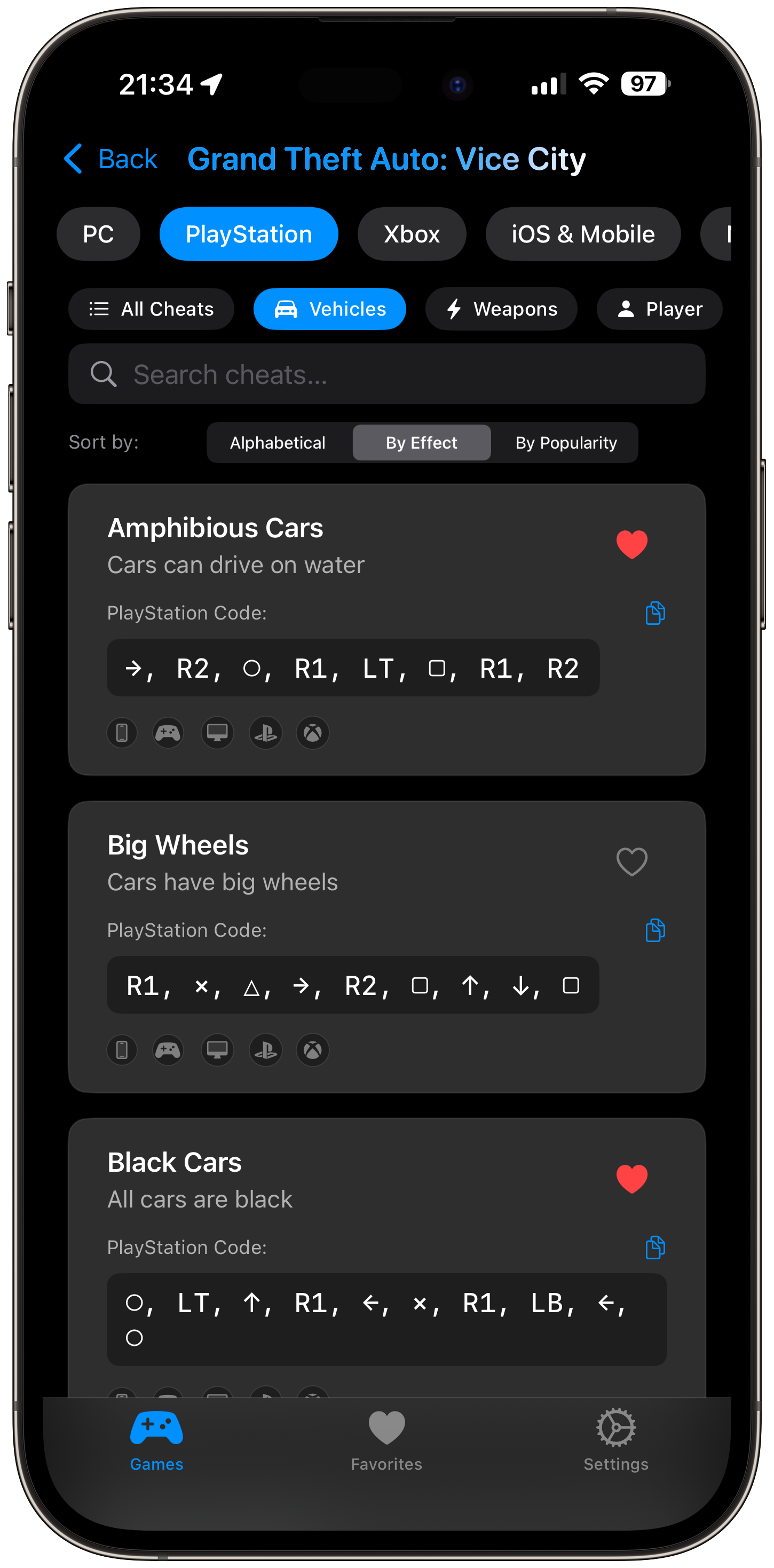
Some of the most famous codes from this era include the "IDDQD" and "IDKFA" codes from Doom, the "ABACABB" code from Mortal Kombat, and the various codes from Grand Theft Auto games.
Console-Specific Cheat Traditions
Different gaming platforms developed their own cheat code traditions:
Nintendo Systems: Known for creative button combinations and hidden developer messages. The NES had some of the most creative codes, often involving complex button sequences or specific timing.
Sega Systems: Sega games often featured level select codes and debug menus. The Genesis had a thriving cheat code scene, with many games including hidden developer tools.
PlayStation: Sony's systems popularized cheat code devices and built-in cheat menus. Many PlayStation games included extensive cheat code systems that were part of the game design.
PC Gaming: PC games often featured console commands and developer tools that players could access. This tradition continues today with games like Minecraft and Skyrim.
The Evolution of Modern Cheat Systems
Modern gaming has moved away from traditional cheat codes toward more sophisticated systems:
Built-in Cheat Menus: Many modern games include cheat menus that players can access through the game's interface. These are often more user-friendly than traditional button combinations.
Console Commands: PC games often feature console commands that let players modify game settings, spawn items, or access debug features. These are more flexible than traditional cheat codes.
Mod Support: Many games now support mods that can add new content, modify gameplay, or add cheat-like features. This gives players more control over their gaming experience.
Accessibility Features: Modern games often include accessibility features that function like cheat codes, such as invincibility modes or difficulty adjustments.
Famous Cheat Codes That Changed Gaming
Some cheat codes have had a lasting impact on gaming culture:
The Konami Code: Perhaps the most famous cheat code in gaming history, appearing in dozens of games and becoming a cultural phenomenon.
Doom's "IDDQD": The invincibility code that became synonymous with the game and influenced countless other games.
Grand Theft Auto's "HESOYAM": The health, armor, and money code that became famous for its memorable mnemonic.
Mortal Kombat's "ABACABB": The blood code that changed the game's rating and influenced video game content regulation.
Why Cheat Codes Still Matter
Despite the evolution of gaming, cheat codes remain relevant for several reasons:
Accessibility: Cheat codes can make games more accessible to players with disabilities or those who find certain sections too difficult.
Exploration: Many cheat codes reveal hidden content or allow players to explore areas that would otherwise be inaccessible.
Testing: Cheat codes are valuable for game testing, allowing developers and players to quickly access different parts of the game.
Nostalgia: For many players, cheat codes are a nostalgic reminder of gaming's past and a way to experience classic games as they were meant to be played.
Preserving Cheat Code History
As gaming evolves, many classic cheat codes are being lost. Games are becoming more complex, and developers are focusing on different features. This makes it important to preserve cheat code history.
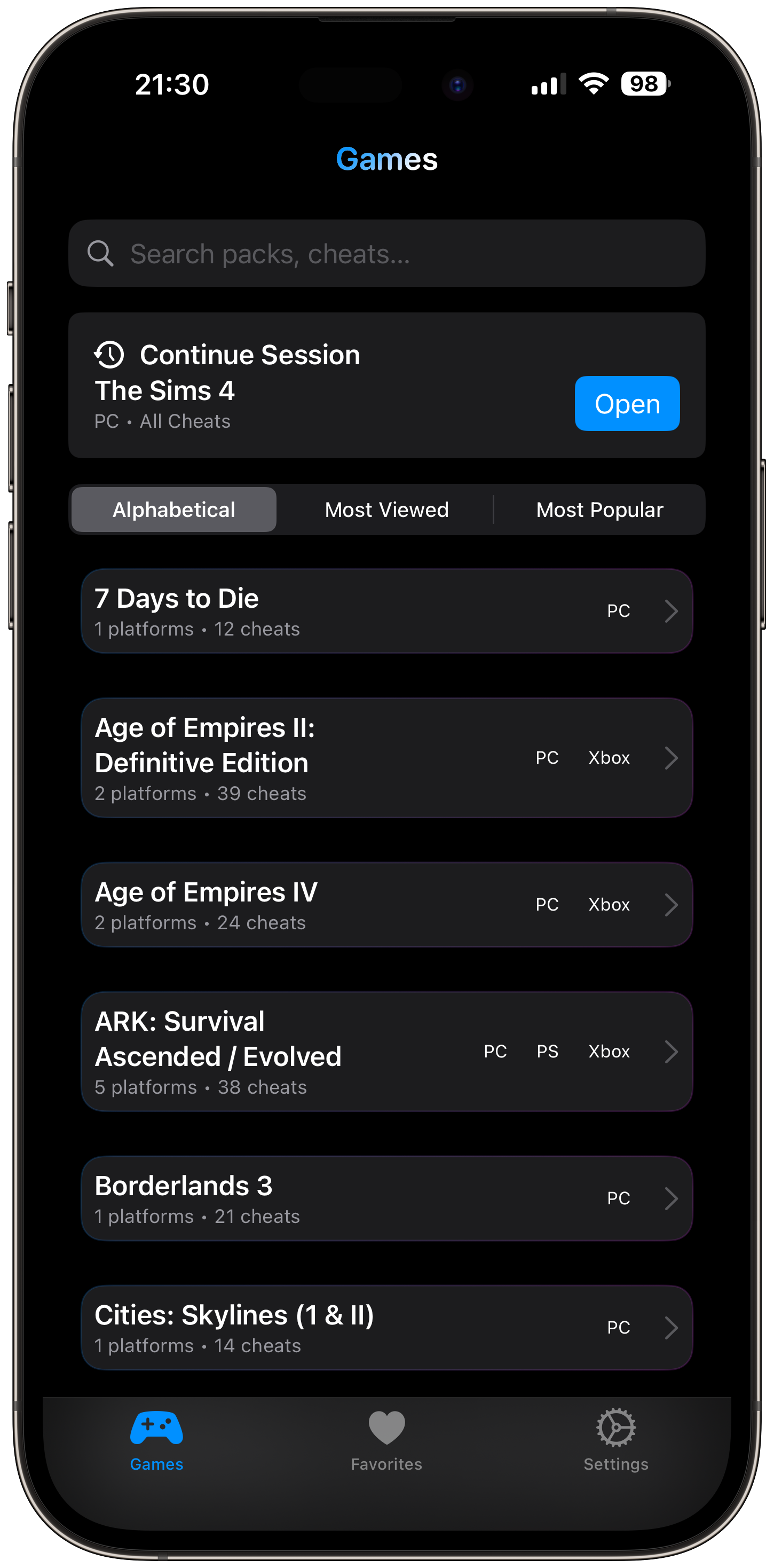
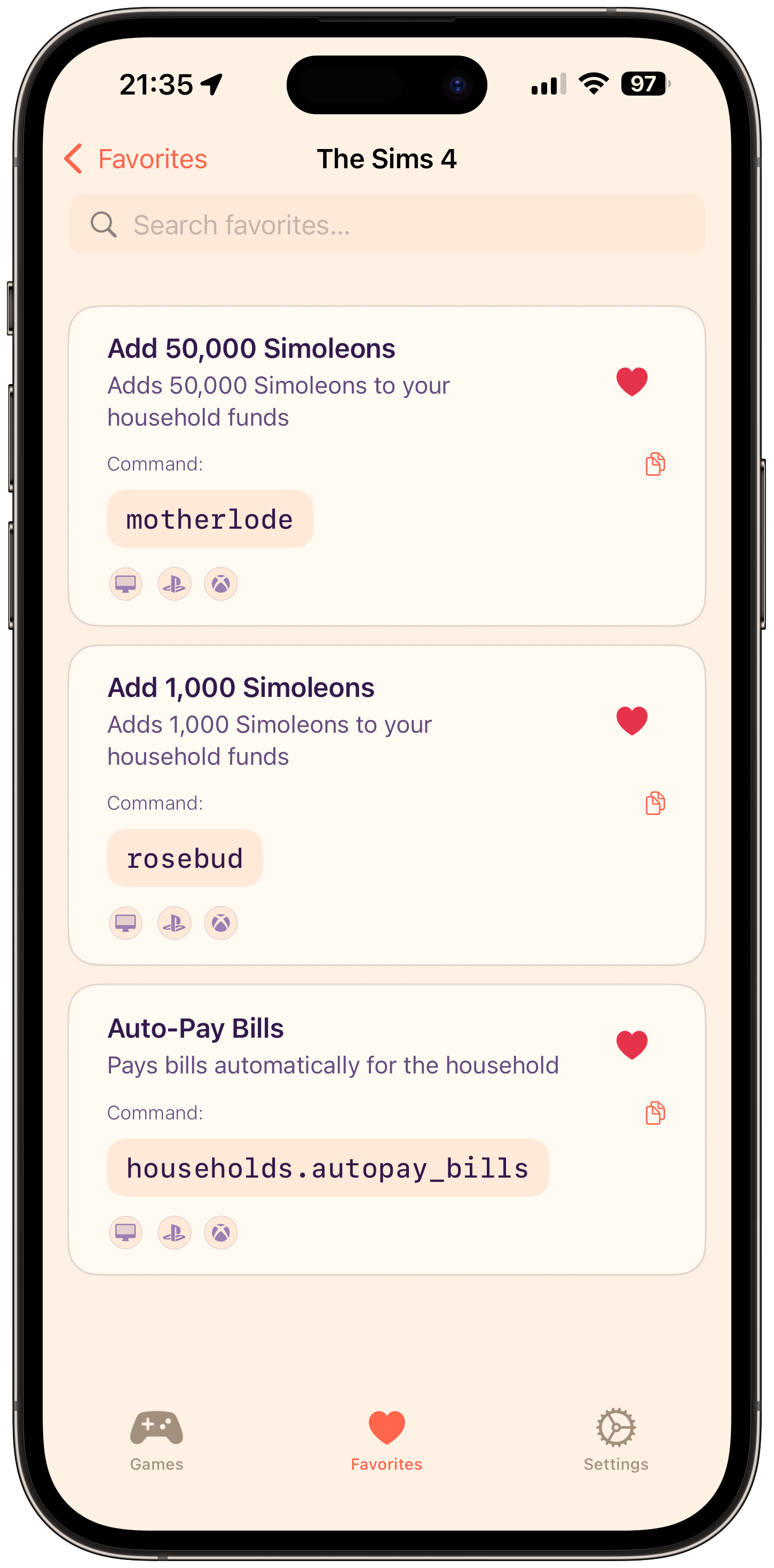
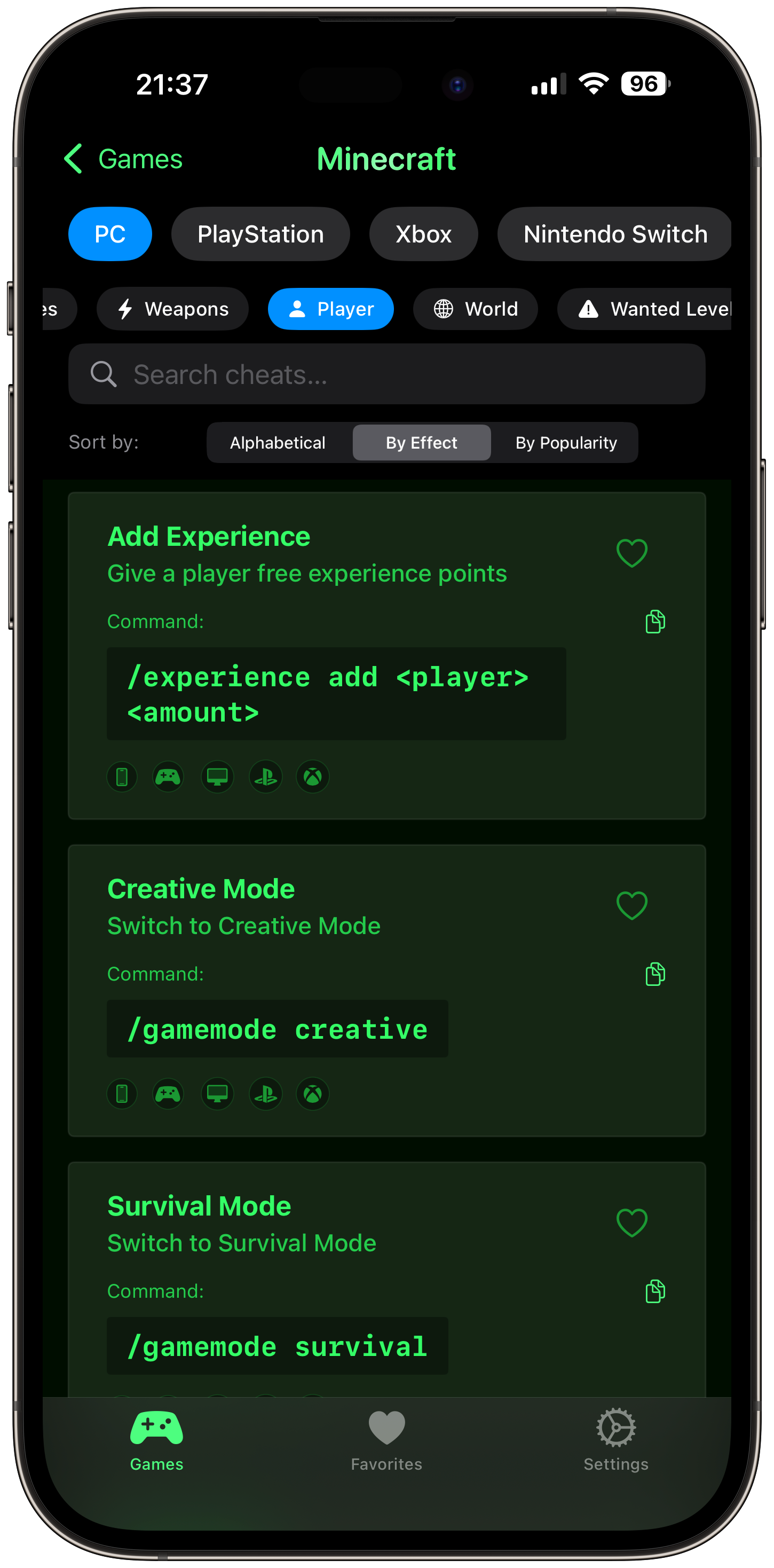
Master Cheats helps preserve this history by documenting thousands of cheat codes from every era of gaming. From classic arcade codes to modern console cheats, the database ensures that this part of gaming culture isn't lost.
The database includes codes for games that are no longer available, making it a valuable resource for gaming historians and enthusiasts who want to experience classic games as they were meant to be played.
Cheat codes are more than just shortcuts - they're part of gaming history and culture. From their humble beginnings as debugging tools to their current role in modern gaming, cheat codes have shaped how we play and experience games.
If you want to explore the rich history of gaming cheat codes, Master Cheats provides access to thousands of codes from every era of gaming, organized and ready to use.
References
- GameFAQs: Gaming Cheat Codes Database
- Cheat Code Central: Cheat Codes and Guides
- IGN: Cheat Codes and Guides
- GameSpot: Cheat Codes Database
Related Guides: Learn about the Master Cheats database and modern gaming cheat systems.
Recommended App: Explore gaming history with Master Cheats for classic and modern cheat codes from every era.