Winter driving presents unique challenges that can catch even experienced drivers off guard. From black ice to whiteout conditions, winter weather demands special preparation and techniques. This comprehensive guide covers 15 essential tips that every driver should know to stay safe during the coldest months of the year.
1. Prepare Your Vehicle for Winter
Before winter arrives, ensure your vehicle is ready for harsh conditions. This includes checking your battery, tires, brakes, and fluids. A well-maintained vehicle is your first line of defense against winter driving hazards.
Battery and Electrical System
Cold weather reduces battery capacity by up to 50%. Have your battery tested and replace it if it's more than 3 years old. Clean battery terminals and ensure all connections are tight.
Tire Maintenance
Check tire pressure weekly as it decreases in cold weather. Consider winter tires for better traction in snow and ice. Ensure adequate tread depth (minimum 4/32 inch).
2. Slow Down and Increase Following Distance
Speed is a major factor in winter accidents. Reduce your speed by 10-15 mph below the posted limit and increase your following distance to 8-10 seconds on icy roads.
Speed Control Techniques
- Accelerate and decelerate slowly
- Use gentle pressure on the accelerator
- Brake early and gradually
- Maintain steady speed on hills
3. Understand and Avoid Black Ice
Black ice is nearly invisible and extremely dangerous. It forms when moisture freezes on road surfaces, creating a thin, transparent layer of ice.
Identifying Black Ice
- Road appears wet but isn't
- Temperature is near or below freezing
- Shaded areas and bridges are more prone
- Other vehicles appear to be sliding
4. Master the Art of Braking on Ice
Proper braking technique is crucial for winter driving safety. Different braking systems require different approaches.
Anti-Lock Brake System (ABS)
If your vehicle has ABS, apply firm, steady pressure to the brake pedal. The system will automatically pump the brakes for you. Don't pump the brakes yourself.
Traditional Brakes
Without ABS, use threshold braking: apply pressure until you feel the wheels begin to lock, then release slightly and reapply.
5. Learn Proper Skid Recovery
Skidding is common in winter conditions. Knowing how to recover can prevent accidents and save lives.
Front-Wheel Skid
If the front wheels lose traction, take your foot off the accelerator and steer in the direction you want to go. Don't brake suddenly.
Rear-Wheel Skid
For rear-wheel skids, steer in the direction the rear of the vehicle is sliding. This helps straighten the vehicle and regain control.
6. Use Your Lights Effectively
Proper lighting is essential for visibility and being seen by other drivers in winter conditions.
When to Use Different Lights
- Headlights: Always on during winter months
- Fog Lights: Use in fog, snow, or heavy precipitation
- Hazard Lights: Only when stopped or moving very slowly
- High Beams: Avoid in fog or heavy snow
7. Plan Your Route Carefully
Winter driving requires more planning than summer travel. Choose routes that are well-maintained and frequently traveled.
Route Planning Tips
- Check weather forecasts before departing
- Choose main roads over back roads
- Avoid mountain passes in severe weather
- Plan alternative routes
- Inform others of your planned route and arrival time
8. Carry Emergency Supplies
Being prepared for emergencies can make the difference between a minor inconvenience and a life-threatening situation.
Essential Emergency Kit
- Blankets or sleeping bags
- Extra warm clothing and gloves
- Non-perishable food and water
- Flashlight with extra batteries
- First aid kit
- Ice scraper and snow brush
- Jumper cables
- Sand or cat litter for traction
- Shovel
- Emergency flares or reflectors
9. Understand Weather Patterns
Different types of winter weather require different driving strategies. Understanding these patterns helps you prepare appropriately.
Snow Types and Their Challenges
- Powder Snow: Light and fluffy, provides good traction
- Wet Snow: Heavy and slippery, can cause hydroplaning
- Packed Snow: Hard and icy, very slippery
- Slush: Wet snow that can cause loss of control
10. Practice Defensive Driving
Defensive driving becomes even more important in winter conditions when other drivers may not be as prepared or experienced.
Defensive Driving Techniques
- Always assume other drivers will make mistakes
- Maintain escape routes
- Scan ahead for potential hazards
- Be prepared to react to sudden changes
- Keep your hands on the wheel at 9 and 3 o'clock
11. Handle Hills and Inclines Safely
Hills present special challenges in winter conditions. Proper technique can prevent dangerous situations.
Uphill Driving
Build momentum before reaching the hill, then maintain steady speed. If you start to slide backward, don't panic - steer into the slide and try to regain traction.
Downhill Driving
Use engine braking by shifting to a lower gear. Avoid riding the brakes continuously, as this can cause them to overheat and fail.
12. Know When to Stay Home
Sometimes the safest decision is not to drive at all. Learn to recognize when conditions are too dangerous for travel.
Warning Signs to Stay Home
- Blizzard or whiteout conditions
- Ice storms or freezing rain
- Extreme cold warnings
- Road closures or travel advisories
- Poor visibility due to fog or snow
13. Use Technology to Your Advantage
Modern technology can provide valuable assistance for winter driving, but it should complement, not replace, good driving skills.
Helpful Apps and Tools
- Weather apps for real-time conditions
- Navigation apps with traffic updates
- Road condition reporting apps
- Emergency assistance apps
14. Maintain Situational Awareness
Winter driving requires constant attention to changing conditions. Stay alert and be ready to adjust your driving style as needed.
Key Things to Monitor
- Road surface conditions
- Weather changes
- Other vehicles' behavior
- Traffic patterns
- Visibility levels
15. Practice Makes Perfect
The best way to become proficient at winter driving is through practice in safe, controlled conditions.
Practice Opportunities
- Empty parking lots after fresh snow
- Quiet residential streets
- Driving courses with winter training
- Practice emergency maneuvers
How DriveSafe: Fog & Snow App Enhances Winter Safety
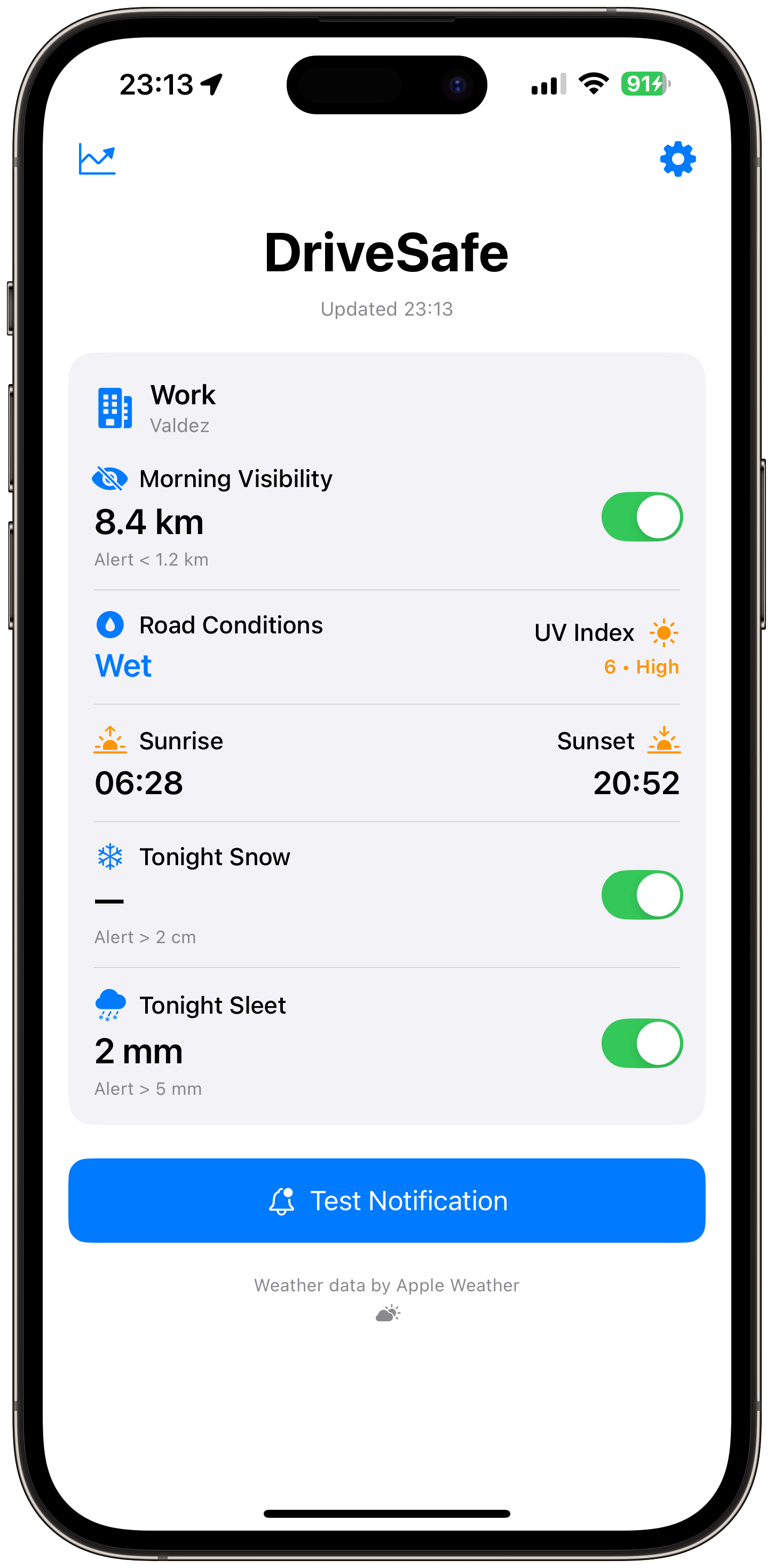
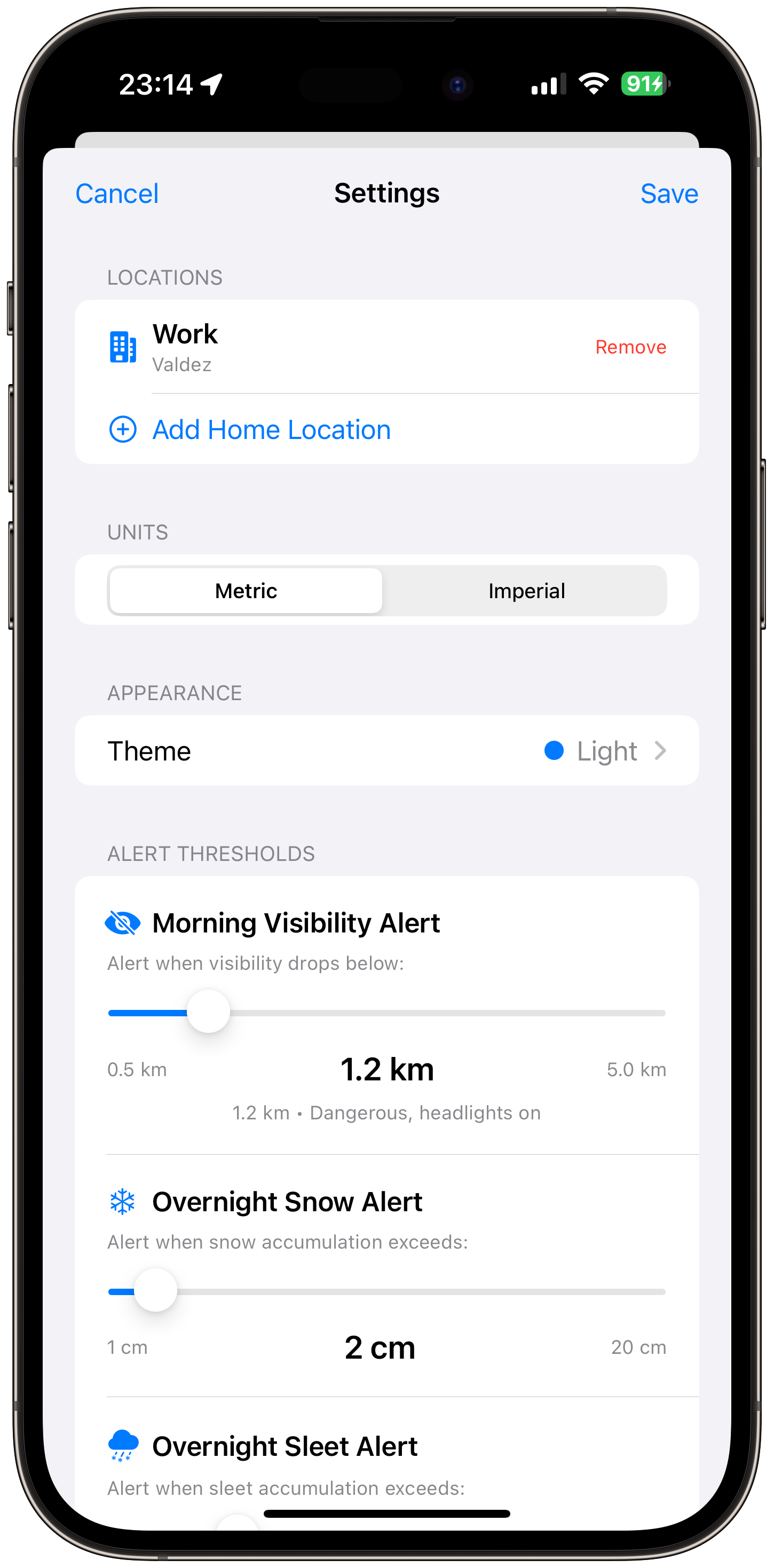
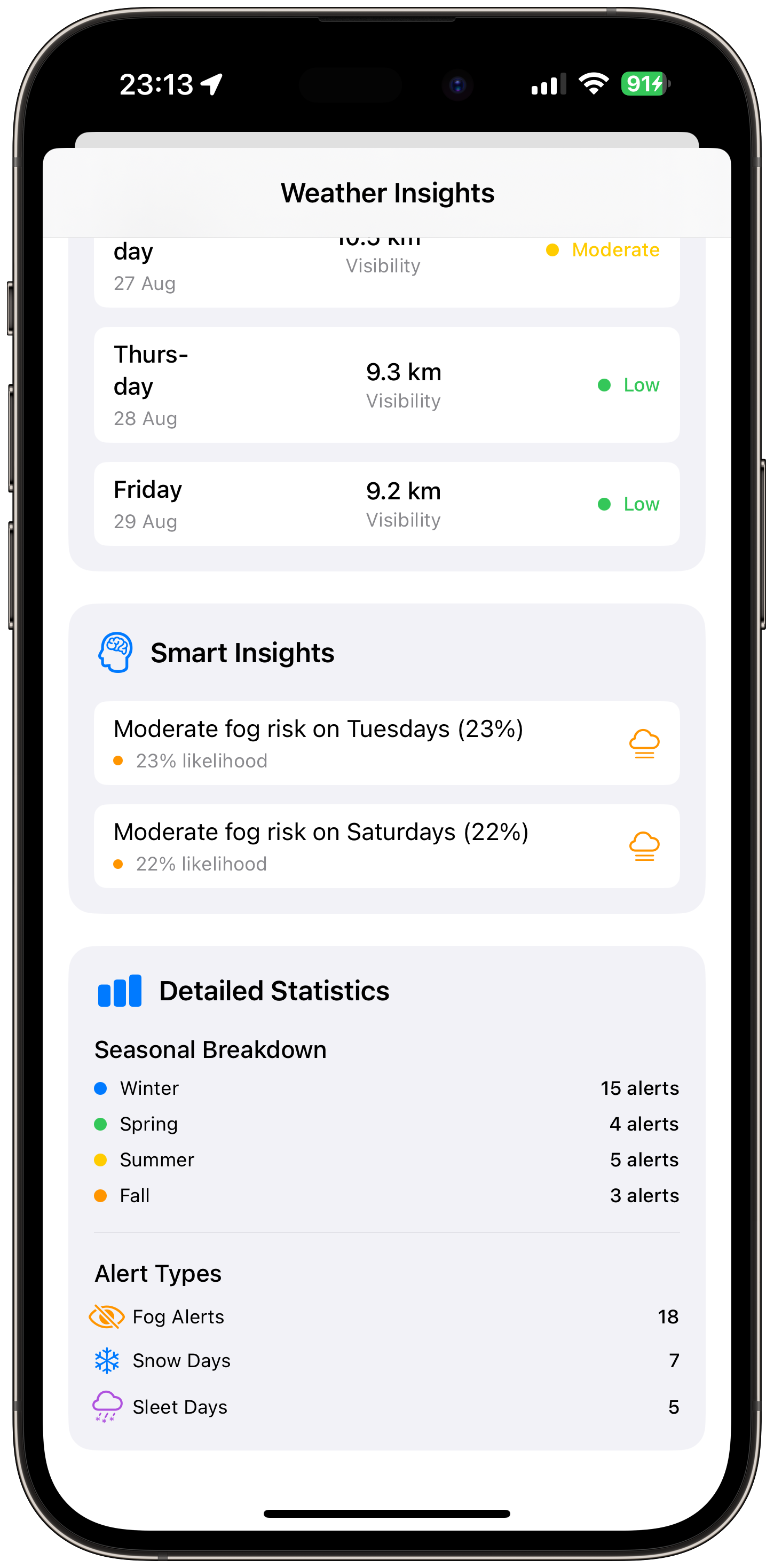
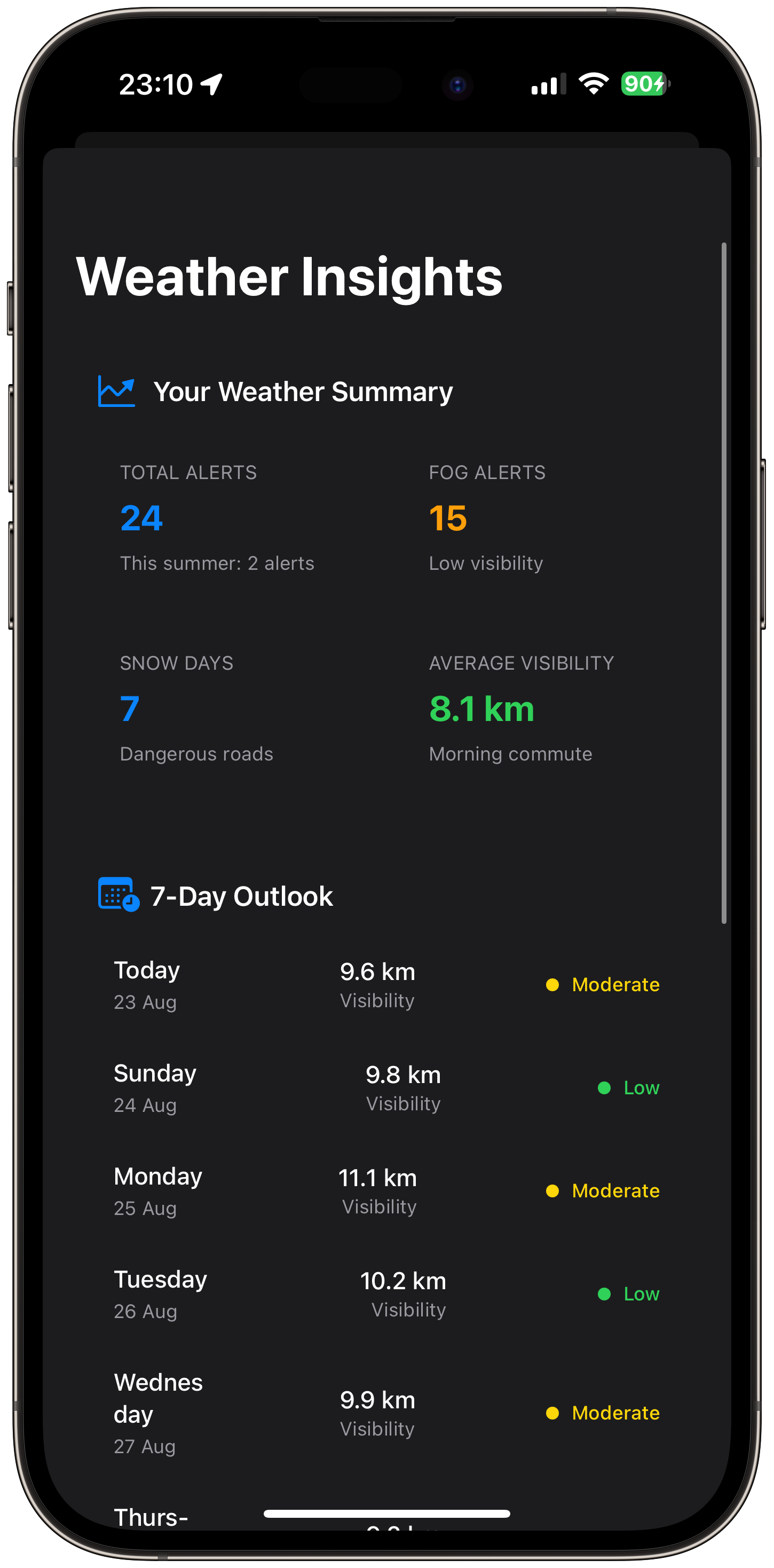
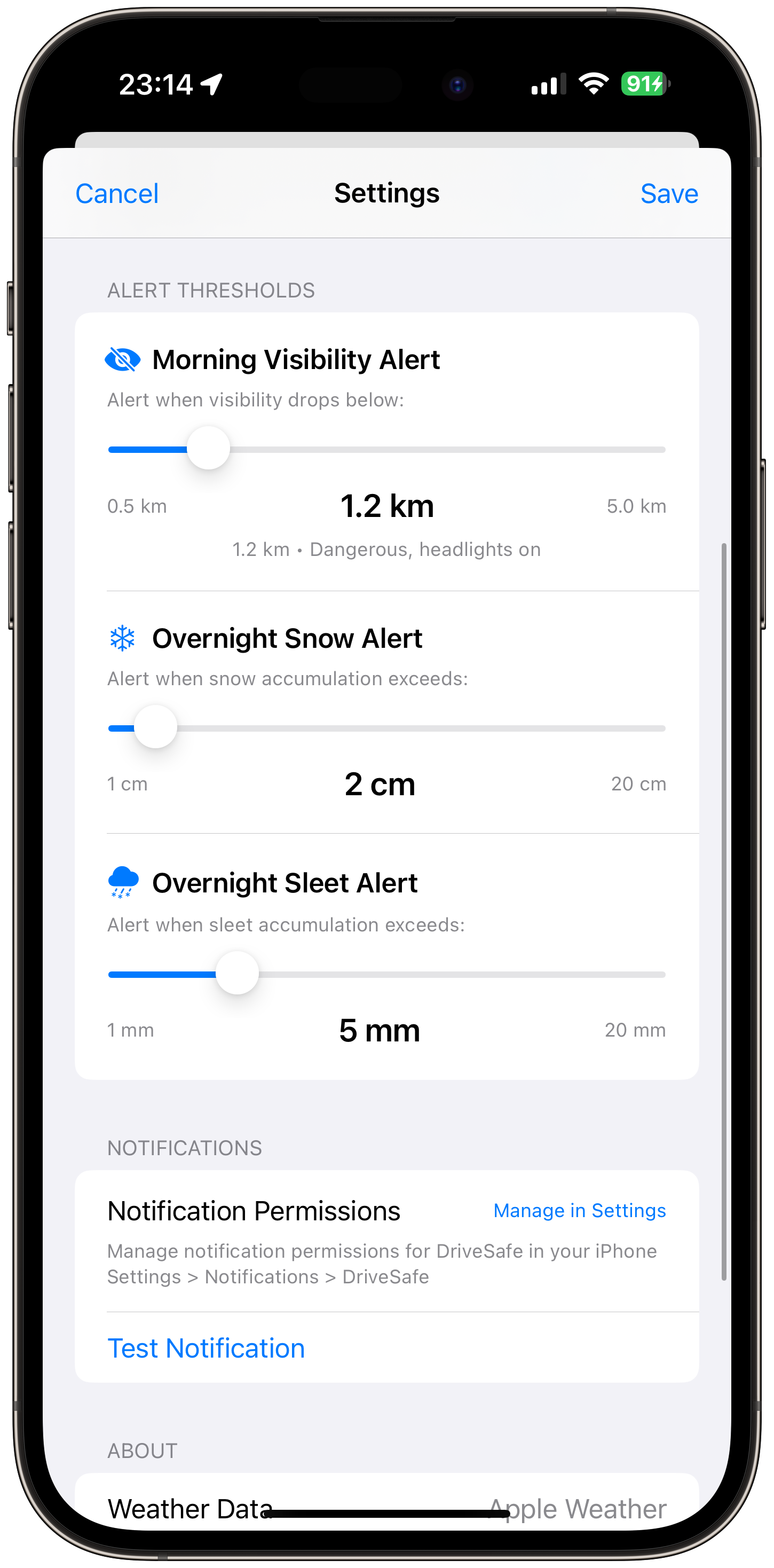
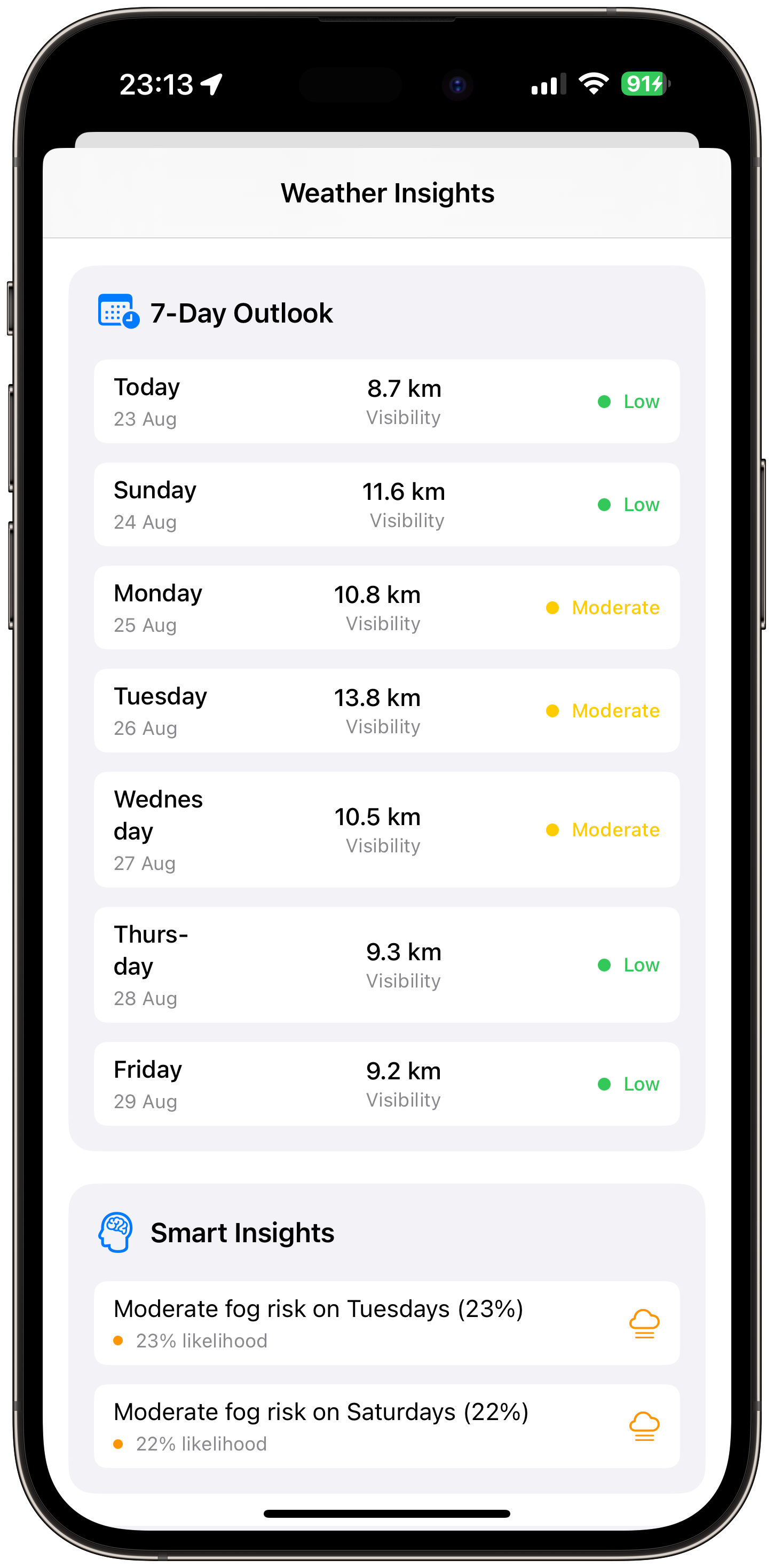
While these tips provide the foundation for safe winter driving, modern technology can significantly enhance your safety. The DriveSafe: Fog & Snow app offers real-time assistance specifically designed for challenging weather conditions.
Real-Time Weather Monitoring
DriveSafe provides instant notifications about changing weather conditions along your route, helping you make informed decisions about when to travel and which routes to take.
Visibility Tracking
The app's advanced visibility tracking helps you understand current conditions and determine whether it's safe to continue driving or if you should find a safe place to wait.
Route Safety Analysis
DriveSafe analyzes your planned route and suggests safer alternatives when winter conditions make your original path hazardous, considering factors like elevation changes and known problem areas.
Conclusion
Winter driving safety requires preparation, knowledge, and the right mindset. By following these 15 essential tips and using modern tools like the DriveSafe: Fog & Snow app, you can significantly reduce your risk of accidents and ensure safe travel during the most challenging months of the year.
Remember, no destination is worth risking your life or the lives of others. When in doubt, stay home or find a safe place to wait until conditions improve. Your safety should always be your top priority.