Actions
Watch on YouTubeTutorial Details
Actions
Watch on YouTubeTutorial Details
How to Use Eye Tracking and Accessibility Features on iPhone - Complete Guide
Learn how to enable and use iOS accessibility features including Eye Tracking, Music Haptics, Vocal Shortcuts, Vehicle Motion Cues, and VoiceOver improvements for enhanced device control and usability.
iOS accessibility features represent the pinnacle of inclusive technology design, transforming how users with diverse needs interact with their devices. From hands-free eye tracking control to motion sickness reduction and enhanced audio feedback, these features ensure that iPhones and iPads are accessible to users of all abilities. Understanding and mastering these accessibility tools not only improves device usability but also opens new possibilities for interaction and productivity.
This comprehensive guide explores the complete iOS accessibility ecosystem, covering Eye Tracking, Music Haptics, Vocal Shortcuts, Vehicle Motion Cues, and VoiceOver enhancements that make iOS devices truly accessible to everyone.
Understanding iOS Accessibility Features
iOS accessibility encompasses multiple innovative features:
- Eye Tracking: Hands-free device control using eye movements
- Music Haptics: Audio-to-vibration translation for enhanced music experience
- Vocal Shortcuts: Custom voice commands for device control
- Vehicle Motion Cues: Motion sickness reduction during travel
- VoiceOver Enhancements: Improved screen reader capabilities
Prerequisites for iOS Accessibility Features
- iOS Version: Latest iOS version for optimal accessibility features
- Device Compatibility: iPhone models with Face ID and advanced sensors
- Calibration: Initial setup and calibration for optimal performance
- Privacy Permissions: Camera and microphone access for eye tracking
- Feature Availability: Some features require specific device capabilities
Solution 1: Enable and Use Eye Tracking
Master hands-free device control using eye movements.
Step 1: Access Eye Tracking Settings
- Open Settings app on your iPhone
- Scroll down and tap "Accessibility"
- Look for "Eye Tracking" in the Vision section
- Tap "Eye Tracking" to access the feature
- Review the feature description and requirements
Step 2: Enable Eye Tracking
- Toggle the "Eye Tracking" switch to enable the feature
- Grant camera permissions when prompted
- Position your device at eye level for optimal tracking
- Follow the on-screen calibration instructions
- Complete the initial setup process
Step 3: Calibrate Eye Tracking
- Follow the dot that appears on screen with your eyes
- Keep your head relatively still during calibration
- Complete all calibration steps as instructed
- Test the calibration with simple interactions
- Recalibrate if accuracy issues occur
Step 4: Use Eye Tracking for Navigation
- Look at on-screen elements to highlight them
- Dwell on items to activate them (cursor stays focused)
- Use the pause gesture to stop interactions
- Navigate through apps and menus using eye movements
- Practice different interaction patterns
Solution 2: Configure Music Haptics
Experience music through enhanced vibration feedback.
Step 1: Access Music Haptics Settings
- Open Settings app
- Scroll down and tap "Accessibility"
- Look for "Music Haptics" in the Hearing section
- Tap "Music Haptics" to access the feature
- Review the haptic feedback description
Step 2: Enable Music Haptics
- Toggle the "Music Haptics" switch to enable
- Ensure your device supports haptic feedback
- Test the feature with music playback
- Adjust haptic intensity if available
- Experience vibration synced to music rhythm
Step 3: Optimize Music Haptics Experience
- Play music with strong bass or distinct beats
- Feel vibrations through device body
- Adjust music volume for better haptic feedback
- Test different music genres and styles
- Use with headphones for combined audio-haptic experience
Solution 3: Set Up Vocal Shortcuts
Create custom voice commands for device control.
Step 1: Access Vocal Shortcuts Settings
- Open Settings app
- Tap "Accessibility"
- Scroll to find "Vocal Shortcuts"
- Tap "Vocal Shortcuts" to enter the menu
- Review available options and setup
Step 2: Set Up Vocal Shortcuts
- Tap "Set Up Vocal Shortcuts"
- Grant microphone permissions when prompted
- Choose actions to assign voice commands
- Record custom voice triggers for each action
- Test recorded shortcuts for accuracy
Step 3: Create Custom Voice Commands
- Select specific actions (open app, send text, adjust volume)
- Speak clear, distinct voice commands
- Record multiple variations if needed
- Test commands in different environments
- Refine commands for better recognition
Step 4: Use Vocal Shortcuts
- Activate Siri or use voice trigger mode
- Speak your custom commands clearly
- Observe device response to voice commands
- Adjust commands based on usage experience
- Combine with other accessibility features
Solution 4: Enable Vehicle Motion Cues
Reduce motion sickness during travel and navigation.
Step 1: Access Motion Settings
- Open Settings app
- Tap "Accessibility"
- Scroll down and tap "Motion"
- Look for "Vehicle Motion Cues" option
- Review the motion sickness reduction feature
Step 2: Enable Vehicle Motion Cues
- Toggle "Vehicle Motion Cues" to enable
- Allow automatic activation during vehicle travel
- Test with navigation or CarPlay apps
- Observe reduced screen motion and animations
- Experience decreased motion sickness symptoms
Step 3: Configure Motion Settings
- Adjust motion sensitivity if available
- Choose when to activate (automatic or manual)
- Test different apps with motion cues enabled
- Monitor effectiveness for motion sickness reduction
- Disable if not needed or causing issues
Solution 5: Enhance VoiceOver Experience
Improve screen reading with enhanced voices and options.
Step 1: Access VoiceOver Settings
- Open Settings app
- Tap "Accessibility"
- Tap "VoiceOver" in the Vision section
- Explore VoiceOver configuration options
- Review speech and voice settings
Step 2: Select Enhanced Voices
- Tap "Speech" in VoiceOver settings
- Tap "Voices" to access voice options
- Browse available enhanced voices
- Download new voices if available
- Select preferred voice for screen reading
Step 3: Customize VoiceOver Speech
- Adjust speech rate and pitch
- Configure voice volume and pronunciation
- Set up punctuation and symbol announcements
- Customize feedback for different interactions
- Test voice quality and clarity
Step 4: Optimize VoiceOver Navigation
- Practice VoiceOver gestures and commands
- Use rotor for quick navigation options
- Enable audio cues and sound effects
- Customize feedback for better orientation
- Combine with other accessibility features
iOS Accessibility Features Ecosystem
Understanding the broader accessibility framework:
Accessibility Categories
- Vision: Screen readers, magnifiers, and display adjustments
- Hearing: Audio enhancements and visual alerts
- Mobility: Alternative control methods and gestures
- Cognitive: Simplified interfaces and guidance features
- Interaction: Voice control and hands-free operation
Advanced Accessibility Integration
- Switch Control: External device accessibility control
- AssistiveTouch: Virtual home button and gestures
- Guided Access: App and feature restrictions
- Classic Invert: Color inversion for visual comfort
- Voice Control: Full voice-driven device operation
Cross-Device Accessibility
- iCloud Sync: Accessibility settings across Apple devices
- Continuity: Seamless accessibility experience
- AirPods Integration: Hearing aid and audio accessibility
- Apple Watch: Accessibility shortcuts and notifications
- Mac Integration: Universal accessibility preferences
Troubleshooting Accessibility Features
Resolve common issues with accessibility features:
Eye Tracking Issues
Problem: Eye tracking not working accurately.
Solutions:
- Recalibrate eye tracking in proper lighting
- Ensure device is positioned at eye level
- Remove glasses or adjust for eye tracking
- Check camera permissions and access
- Restart device and re-enable feature
Music Haptics Not Working
Problem: No vibration feedback during music playback.
Solutions:
- Ensure device supports Taptic Engine
- Check that music has strong bass or rhythm
- Verify haptic feedback is enabled in settings
- Restart music app and try again
- Update to latest iOS version
Vocal Shortcuts Not Recognized
Problem: Voice commands not triggering actions.
Solutions:
- Speak commands clearly in quiet environment
- Recalibrate voice recognition
- Check microphone permissions
- Adjust Siri sensitivity settings
- Create simpler, distinct voice commands
Motion Cues Causing Issues
Problem: Reduced animations affecting usability.
Solutions:
- Disable when not traveling in vehicle
- Adjust motion sensitivity settings
- Use manual activation instead of automatic
- Test with different apps and scenarios
- Combine with other motion reduction features
VoiceOver Performance Issues
Problem: Screen reader slow or unresponsive.
Solutions:
- Adjust speech rate for better performance
- Reduce VoiceOver verbosity settings
- Close unnecessary background apps
- Restart device to clear memory
- Update to latest iOS version
Best Practices for iOS Accessibility
Maximize the effectiveness of accessibility features:
Feature Combination
- Multi-Feature Integration: Combine eye tracking with vocal shortcuts
- Personalized Setup: Customize features for specific needs
- Progressive Learning: Start with basic features, advance to complex ones
- Regular Testing: Verify feature reliability and accuracy
- Environment Adaptation: Adjust settings for different usage contexts
Performance Optimization
- Device Maintenance: Keep iOS updated for latest features
- Battery Management: Monitor power consumption of active features
- Storage Optimization: Ensure adequate space for accessibility data
- Network Considerations: Test features with different connectivity
- Hardware Compatibility: Verify device capability for features
Learning and Adaptation
- Practice Sessions: Regular practice with accessibility features
- Feature Discovery: Explore new accessibility options
- Community Learning: Connect with accessibility user communities
- Professional Guidance: Consult accessibility specialists when needed
- Continuous Improvement: Update skills as new features become available
iOS Accessibility Evolution
Understanding the development of accessibility features:
Historical Accessibility Milestones
- Early iOS: Basic VoiceOver and zoom features
- iOS 7: Control Center and AssistiveTouch
- iOS 10: Rich VoiceOver notifications and announcements
- iOS 14: Picture-in-picture accessibility and back tap
- iOS 15: Live speech and improved VoiceOver
Current Accessibility Capabilities
- Eye Tracking: Hands-free device control
- Music Haptics: Audio-to-vibration translation
- Vocal Shortcuts: Custom voice command system
- Vehicle Motion Cues: Motion sickness reduction
- Enhanced VoiceOver: Natural-sounding screen reader
Future Accessibility Developments
- AI Integration: Machine learning enhanced accessibility
- Advanced Eye Control: Improved eye tracking accuracy
- Neural Interfaces: Brain-computer interface potential
- Environmental Adaptation: Context-aware accessibility adjustments
- Universal Design: Inclusive design principles application
Related Tutorials
- How to Use Text-to-Speech on iPhone - Voice synthesis features.
- How to Fix Notifications Not Working on iPhone - Alert accessibility.
- How to Set Video as Live Wallpaper on iPhone - Visual customization.
Conclusion
iOS accessibility features represent a transformative approach to mobile device interaction, breaking down barriers and enabling users with diverse needs to fully utilize their devices. From revolutionary eye tracking technology that allows hands-free control to sophisticated motion sickness reduction and enhanced audio feedback, these features demonstrate Apple's commitment to inclusive design and universal accessibility.
The combination of Eye Tracking, Music Haptics, Vocal Shortcuts, Vehicle Motion Cues, and enhanced VoiceOver creates a comprehensive accessibility ecosystem that adapts to individual user needs and preferences. Each feature builds upon the previous, creating layered accessibility options that can be combined for optimal user experience.
As iOS continues to evolve with increasingly sophisticated accessibility features, staying current with these technologies ensures that users can take full advantage of their devices regardless of physical ability or environmental constraints. The key to successful accessibility implementation lies in understanding individual needs, properly configuring features, and regularly updating both software and skills.
For iPhone users seeking to maximize their device's accessibility potential, mastering these comprehensive accessibility features provides the foundation for an inclusive, empowering, and fully functional mobile experience that adapts to diverse user requirements and preferences.
Tags
Related Tutorials
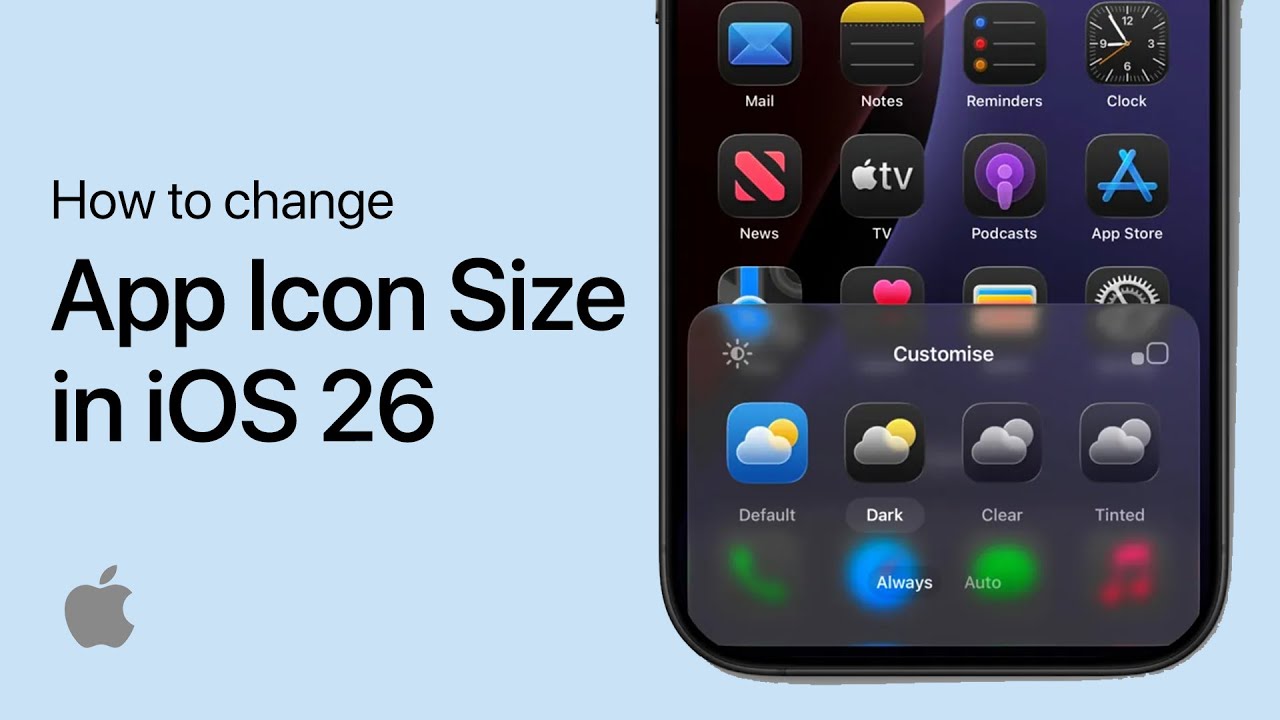
How to Change App Icon Size in iOS 26 (iPhone)
Step-by-step guide to changing app icon sizes on iOS 26, including toggling between small and large icons and customizing your home screen layout.
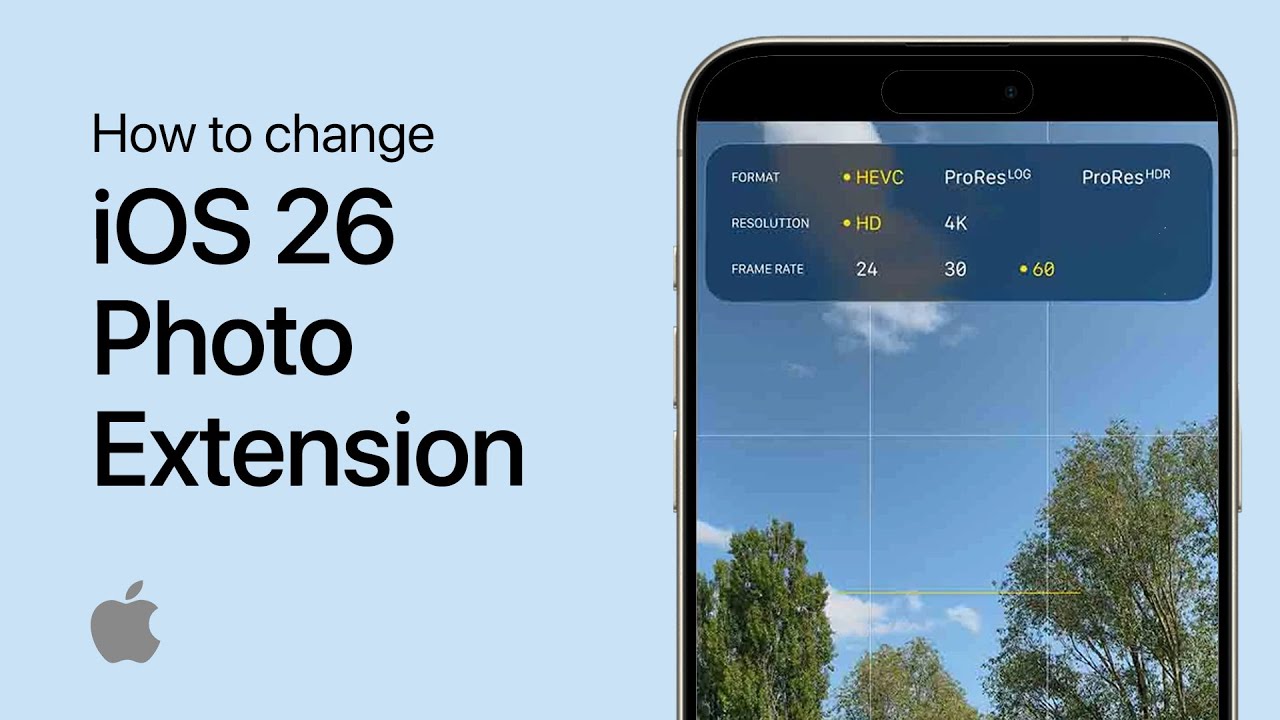
How to Change iOS 26 Camera Photo Extension (Format)
Step-by-step guide to changing camera photo formats in iOS 26, including HEIF vs JPEG settings and ProRAW/ProRes options for professional photography.
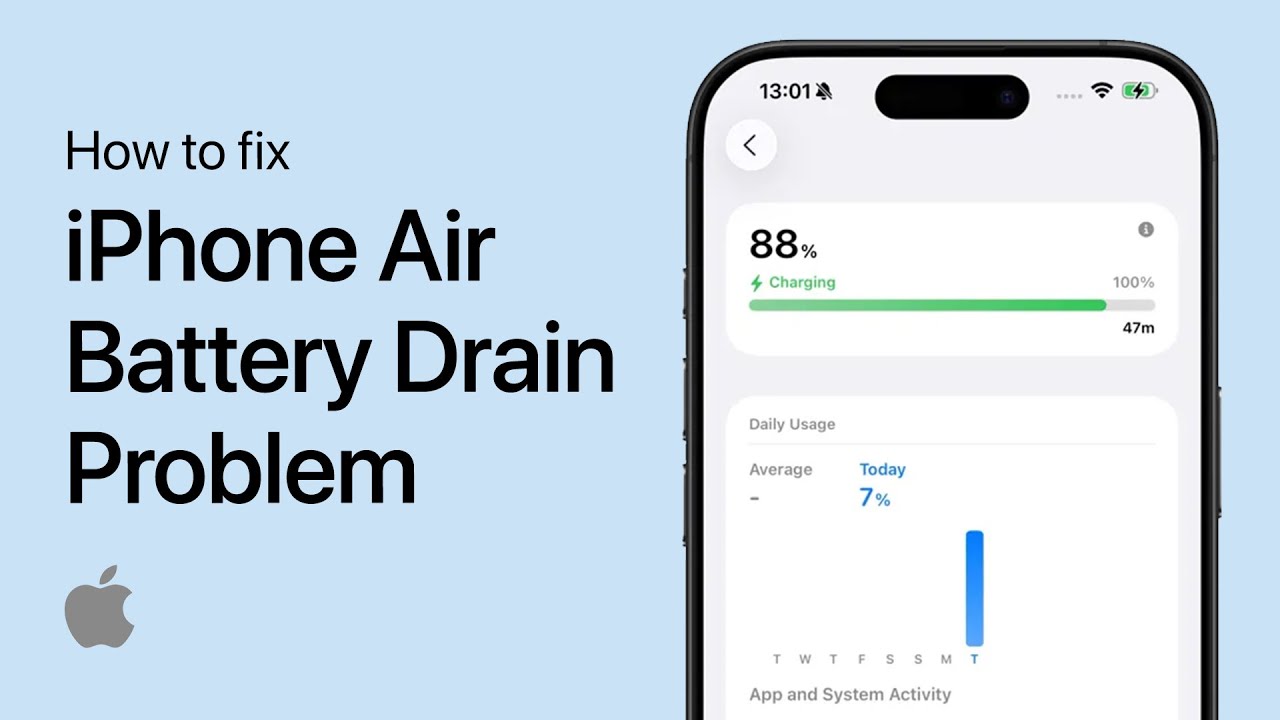
How to Fix iPhone Air Battery Draining Fast - Quick Guide
Step-by-step guide to fixing iPhone Air battery drain problems, including app management, settings optimization, and battery health monitoring for longer battery life.
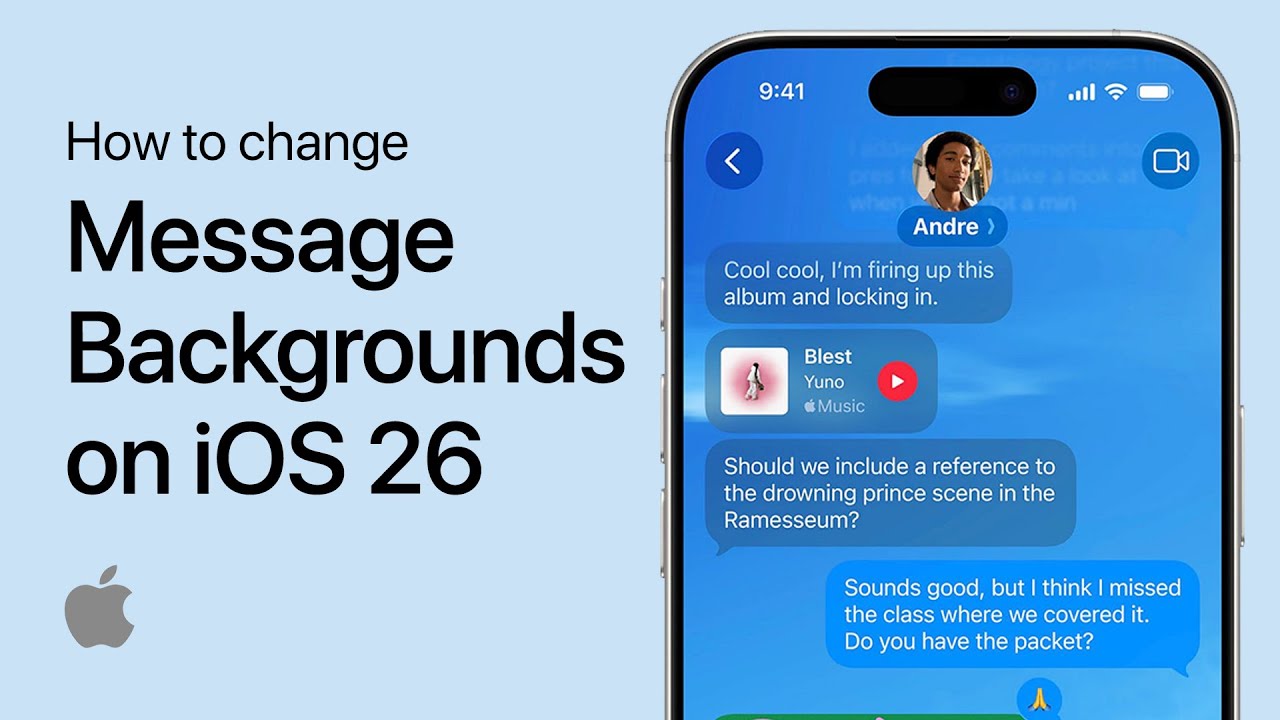
How to Change Message Backgrounds in iOS 26 (iPhone)
Complete guide to customizing iMessage backgrounds in iOS 26, including photo selection, color themes, and animated backgrounds for personalized conversations.